 Skip to content
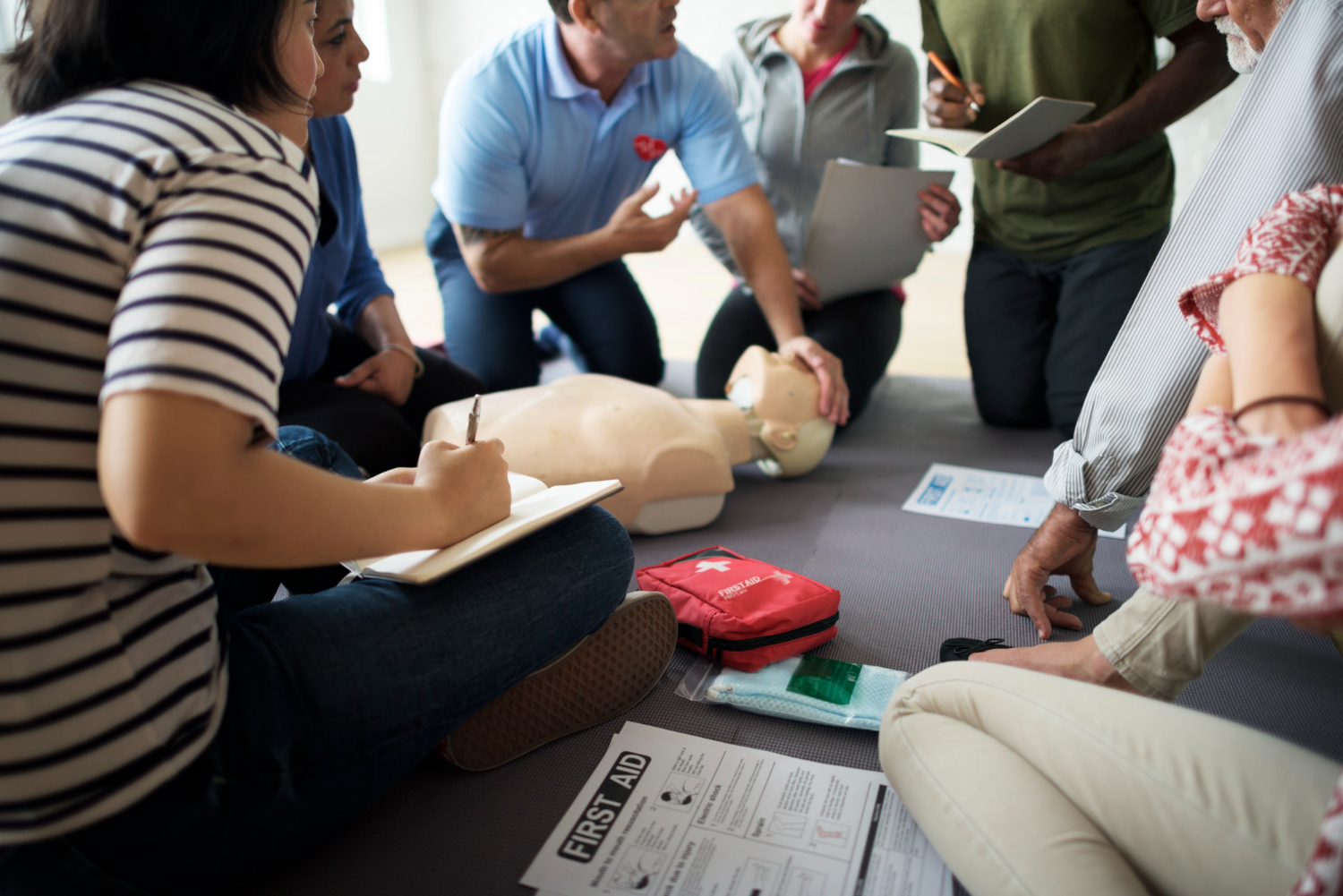
Partnering with local businesses and organizations can be a game-changer for growing your CPR classes. By establishing connections within your community, you can reach more people who are interested in learning lifesaving skills. Local partnerships offer unique advantages, such as increased visibility and opportunities to collaborate on events that benefit everyone involved.
Working with local health centers, schools, and community groups broadens your reach and enhances your credibility. These partners can help spread the word about your classes, introduce you to new audiences, and support your mission of improving community safety. Partnerships lay the groundwork for joint initiatives that can boost enrollment and create a positive impact.
Whether hosting events together or offering special promotions, a strong local network can amplify your efforts. Facilitating these partnerships requires planning and clear communication, but the rewards are worth it. By tapping into existing networks and resources, you can grow your CPR classes effectively and make a difference in your community.
Identifying Potential Local Partners
Finding the right local partners is the first step in expanding your CPR classes through community ties. Begin by understanding which businesses and organizations would benefit from offering CPR training. Plenty of places need staff and members who know CPR, so think about who might be interested.
Consider reaching out to health-related businesses like clinics, hospitals, and fitness centers. These are places where CPR skills are particularly valuable, making them eager partners. Next, explore the education sector. Schools and after-school programs might be interested in having students or staff learn CPR as part of their safety protocols.
Community organizations and nonprofits offer another fruitful avenue. Groups focused on safety, parenting, or youth programs could see mutual benefits in partnering to provide CPR classes. Local government offices, like fire departments or recreation centers, may also prove valuable due to their inherent safety focus.
While identifying potential partners, assess their influence and reach. It’s essential to connect with partners who can help spread the word effectively. Look for organizations with an active audience and a strong community presence. Consider:
– The size of the organization’s member base or customer list.
– Their existing involvement in community events.
– Their communication channels, like newsletters or bulletin boards.
By selecting partners strategically, you align your growth efforts with networks that can boost participation and awareness of your CPR classes. This groundwork maximizes the chances of forming partnerships that benefit everyone involved.
Building Mutually Beneficial Relationships
Once potential partners are identified, the next step involves forming a lasting, mutually beneficial relationship. Approach these organizations with a proposal that clearly outlines the benefits for both parties. Describe how your CPR classes can enhance their value to members or clients.
Craft your proposal to include specifics, such as:
– Highlighting the value of CPR training and its role in ensuring safety.
– Demonstrating how the partnership can bring positive publicity.
– Offering special rates or joint marketing opportunities.
Establishing clear goals and expectations is crucial. From the beginning, define what both parties aim to achieve. Whether it’s reaching a certain enrollment number or co-hosting annual events, clarity ensures both sides work toward the same vision.
Maintaining strong communication and support is essential in any partnership. Keep in touch regularly to discuss progress and address any concerns. This could mean setting up monthly check-ins or sending updates on class enrollments and feedback from participants.
Build trust by consistently supporting your partners. Share resources, promote each other’s activities on social media, or collaborate on joint community efforts. By nurturing these relationships with clear communication and shared goals, partnerships can thrive, leading to healthy growth in your CPR classes.
Creating Joint Programs and Events
Teaming up to create programs and events can expand your reach and influence in the community. One way is by designing collaborative workshops and seminars with your partners. These sessions can be tailored to highlight the benefits of CPR training, making them more appealing to people attending.
Offering special discounts or exclusive classes can draw attention and increase participation. Consider running promotions for partner organization members, which not only enhances their benefits package but also boosts your enrollments. These exclusive offers can create a sense of urgency, encouraging more people to sign up sooner.
Promoting safety awareness in the community is another effective approach. Organize events like Safety Awareness Days or CPR demonstration booths at local fairs. These events educate people about important life-saving skills and put your CPR courses in the spotlight.
When planning joint programs and events, keep these tips in mind:
– Focus on collaborative workshops and seminars.
– Provide exclusive offers or discounts to partner affiliates.
– Initiate events that elevate community safety awareness.
By organizing joint efforts with local partners, you’re able to connect more effectively with potential students and highlight the importance of CPR training in everyday life.
Measuring Success and Adapting Strategies
To ensure your partnerships are fruitful, regularly measuring success is essential. Track the number of new enrollments and overall engagement levels from these partnerships. This data helps you understand which collaborations are driving the most interest in your CPR courses.
Analyzing feedback from partners and participants can provide valuable insights. Ask partners what went well and what could be improved. Participant feedback helps refine program content and delivery. The aim is to enhance the experience for everyone involved, making future events even more impactful.
Refining partnership approaches based on insights ensures continued growth. Look at patterns in successful partnerships and replicate those elements in new collaborations. Staying flexible and open to change enhances the effectiveness of your shared initiatives.
Consider these points for measuring success and adapting strategies:
– Monitor new enrollments and engagement routinely.
– Gather and analyze feedback from partners and attendees.
– Continuously refine strategies to strengthen partnerships.
Using this structured method helps sustain long-term benefits, ensuring your CPR training business thrives alongside its local partners.
Conclusion
By partnering with local businesses and organizations, your CPR training business can expand its reach and impact. Coordinated efforts in creating workshops, offering exclusive deals, and promoting safety awareness contribute to meaningful community engagement. These initiatives not only enhance visibility but also foster trust within the community, making your CPR courses a go-to resource for learning essential life-saving skills.
Consistently measuring outcomes and being open to refining your approach helps ensure these partnerships remain effective and beneficial. Adapting based on feedback allows for continuous improvement, ensuring your programs resonate well with both partners and participants.
Partnering with local entities enriches your service offerings and establishes your presence as a community-focused CPR educator. Embrace this opportunity to grow your network, advance your business, and most importantly, equip more individuals with crucial skills that can make a significant difference in emergencies.
Join forces with CPR Enroll and see how our platform can amplify your community efforts through strategic partnerships and effective program management. Collaborate with us today to enhance your reach and impact in CPR training.
