For corporate and group training

From “Can you train 18 people?” to a finished class record

The client sees one class. You manage everything around it: the request, dates, rosters, payment, paperwork, cards and the renewal two years later. CPR Enroll keeps it on one track instead of one long email thread.

Card required. No charge during your trial. Cancel anytime before it ends.

Employees practicing CPR on manikins during an onsite workplace class

The client sees one class

Your team sees everything around it

The usual way: an email thread

  • Hi! Can you train 18 of our warehouse staff next month?
  • Sure. Which course, and what dates work?
  • BLS I think? Mornings. Actually make it 22 people.
  • Also, can you invoice us? And we need the roster for our files.

…and two years later, nobody remembers when their cards expire.

With CPR Enroll: one track

  1. Request

    A group training form captures the company, course, headcount, dates and location as a lead.

  2. Private class

    Create the class from your standard course, kept off the public calendar.

  3. Registration

    Employees self-register by private link, or you add the roster.

  4. Payment

    Invoice the company, take individual payments, or both.

  5. Records

    Attendance, paperwork and card details stay with the class.

  6. Renewal

    Expiry dates show you when the next class is due.

How CPR Enroll handles it

Request in, records out

A request form instead of an email chain

Put a group training request form on your website or share it as a link. Each request becomes a lead with a notification, and you move it from New to In review to Converted or Lost.

  • Organization, contact, course, headcount, dates and location
  • Notes like “morning preferred, loading dock access”

Register the group the way the client wants

Some employers want employees to sign themselves up. Others send a spreadsheet. Many do both as names change. Share a private registration link, add or upload participants yourself, or mix the two.

  • Private links keep the class off your public list
  • Each participant’s questions and acknowledgments on file

Know who is paying for what

Invoice the company, record a payment made outside checkout, take participant payments or deposits, and see what is still owed. Your accounting stays in your accounting system.

  • Invoices and paid-by-client records
  • Unpaid and partially paid balances
  • Receipts students and clients can download
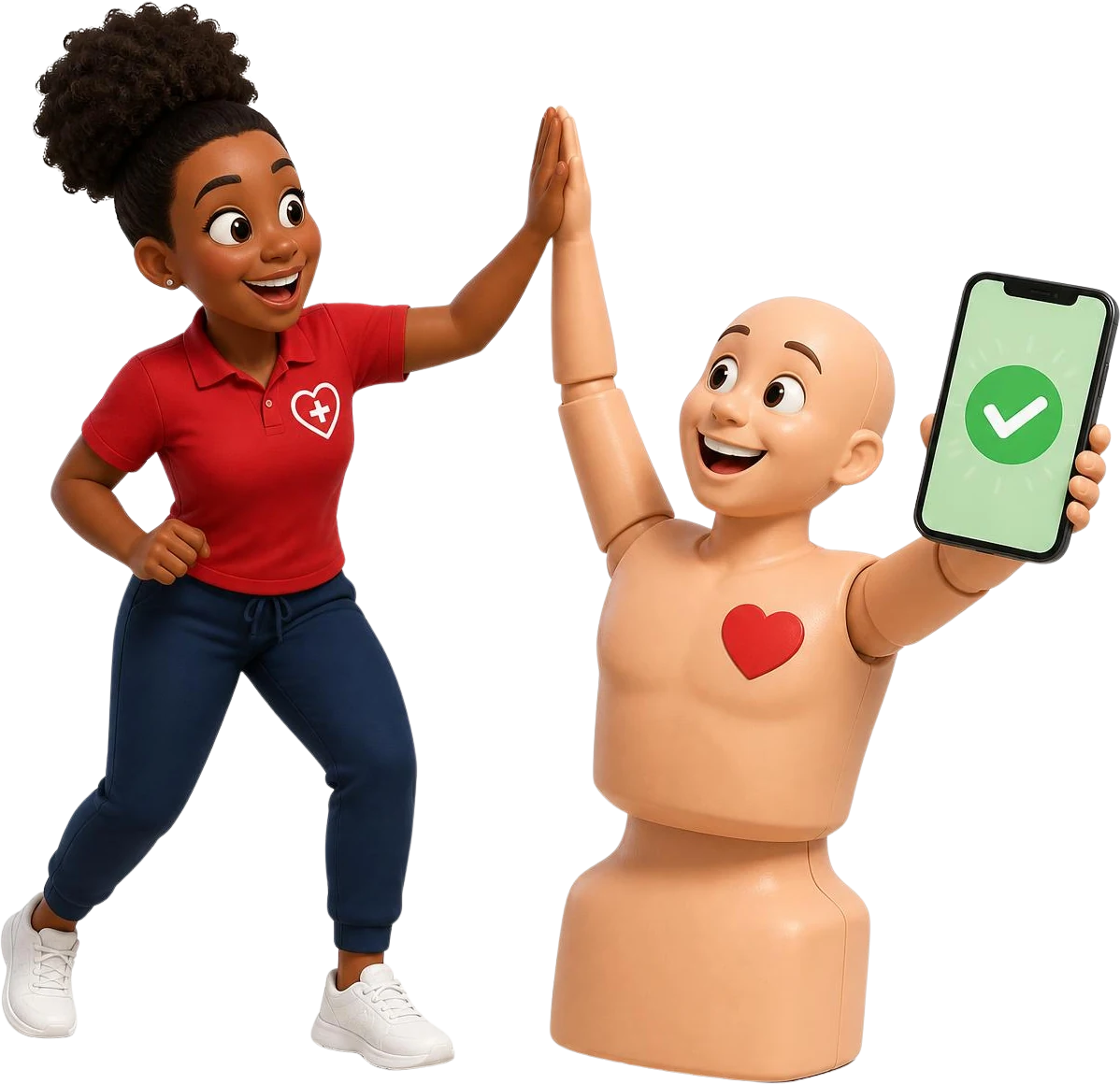
Pulse holding a phone with a payment confirmed as Coach Rae gives him a high five

Hand the client a clean record

When the HR manager asks for the roster, attendance and card details, it is all on the class: generated paperwork, signed checklists, completion status and certification numbers, ready to export.

  • Class document package as one download
  • Card numbers, eCard codes and expiry dates
  • Client and class history for next time

Renewals

The class ends. The client relationship doesn’t.

Employee cards expire, people change jobs and new hires need training. Because every card’s expiry date sits on the class record, you can see a client’s renewal coming and send their team a private link to the next class.

  1. Card recorded
  2. Expiry coming due
  3. Renewal class created
  4. Link shared with the team
  5. New card recorded

Who it’s for

Who runs group training on CPR Enroll

  • Training providers with corporate clients

    One path from lead to private class, payment, records and renewal for every client.

  • Employers and workplace safety programs

    CPR, first aid, AED and BLS for departments, crews and new-hire groups.

  • Healthcare and clinical teams

    Scheduled classes and flexible skills sessions across departments and shifts, with card records.

  • Schools, childcare and camps

    Onsite staff training with the completion paperwork your licensing files need.

  • Construction and field service

    Training by job site, changing headcounts, invoices and repeat training for crews.

An instructor coaching a group of employees through chest compressions

Questions corporate training teams ask

Can a company request a private class through CPR Enroll?

Yes. Your group training request form collects the organization, contact, course, dates, headcount and location, then creates a lead for you to follow up.

Can we keep a corporate class off the public calendar?

Yes. Private classes use their own registration link and do not appear in your public listings.

Can employees register themselves, or can we add a roster?

Either, or both. Share a private link for self-registration, or add and upload participants yourself.

Can the company pay instead of each employee?

Yes. You can invoice the company or record a payment it made outside checkout. Participants can also pay individually when that is the arrangement.

Can we give the company its class records?

Yes. Rosters, attendance, paperwork, payment records and certification details stay with the class and can be downloaded or exported.

Does CPR Enroll manage contracts?

No. It handles the training, registration, payment and records side. Contracts and purchase orders stay in your own process.

Can an in-house corporate training department use it?

Yes. Internal teams use the same tools to take requests from departments, run classes, keep records and track renewals.

Build a corporate training process you can repeat.

Capture the request, run the class, hand over the records and be ready for the renewal.

Card required. No charge during your trial. Cancel anytime before it ends.

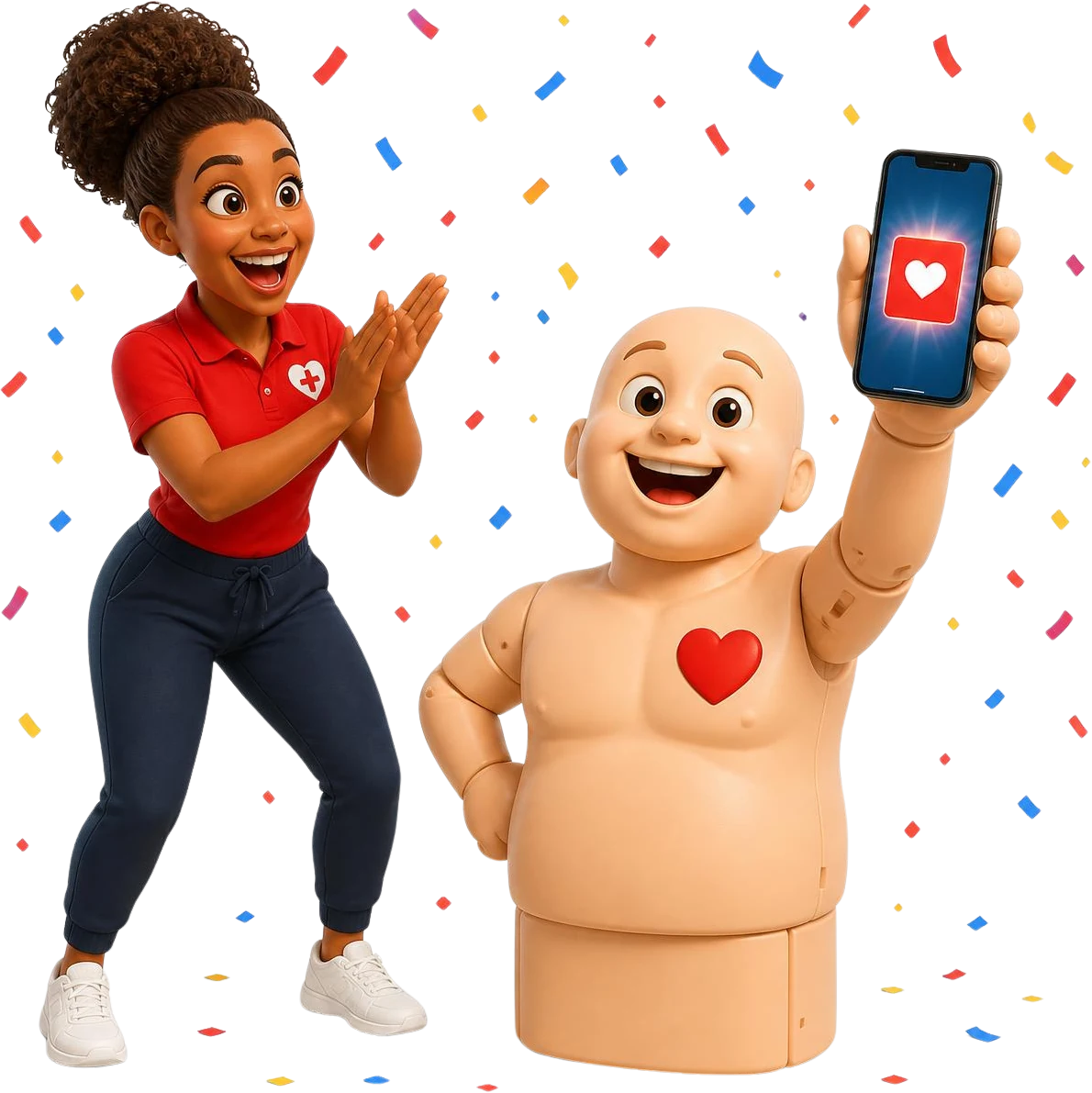
Coach Rae cheering as Pulse shows a certification card on his phone