 Skip to content
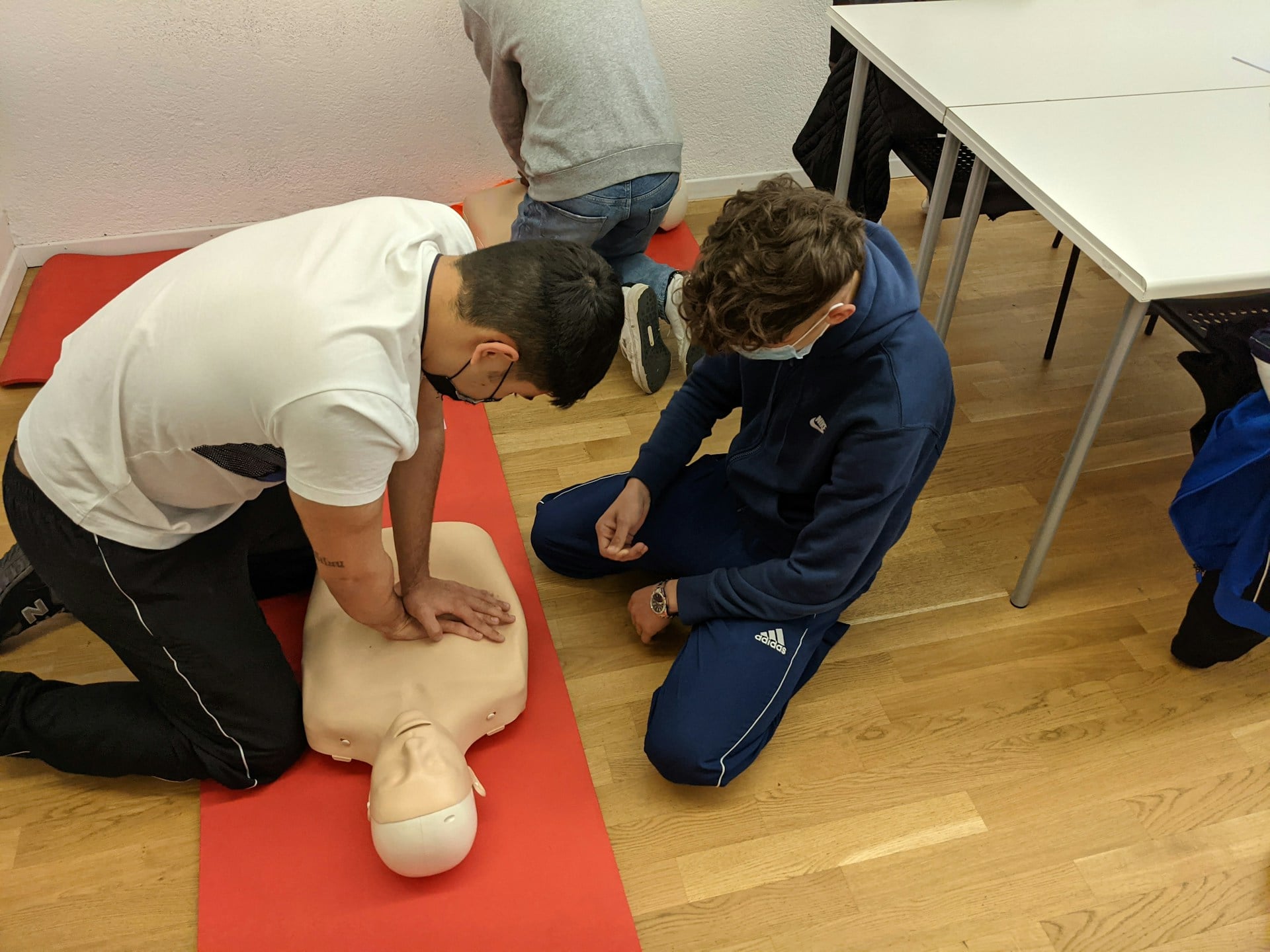
Becoming a certified CPR instructor can open up a lot of opportunities, but the path to getting there isn’t always simple. Whether you’re doing it as part of your career or starting something new, the journey can feel like a maze full of paperwork, timelines, and training challenges. It’s not just about learning CPR techniques. It’s also about figuring out how to meet requirements, balance your time, and find the right program that checks all the boxes.
For many, the desire to teach life-saving skills is what fuels the decision to get certified. Maybe you’re looking to train people in your community, grow your healthcare career, or support your workplace safety programs. Whatever your reason, if you know what could slow you down ahead of time, it’s easier to plan around those roadblocks and stay confident in your progress.
Understanding The Challenges in Becoming a Certified CPR Instructor
Deciding to become a CPR instructor comes with a mix of excitement and questions. At first, it can sound pretty straightforward. Sign up, get trained, pass an exam, and you’re ready to go. But the actual process tends to involve a few more steps than expected.
One of the biggest things to understand early is the role certification plays. It proves that you’re qualified to teach others according to national CPR guidelines and protocols. That’s important for people counting on the training to meet job requirements or for healthcare providers who need CPR knowledge to maintain licenses. Because of that responsibility, there’s an added layer of preparation that can sometimes feel overwhelming.
People choose this path for different reasons. Some are healthcare professionals adding a credential to their resume. Others are workplace trainers or community leaders who want to teach groups. Some just want to have an impact by spreading lifesaving skills. Whatever your goal, getting certified isn’t just a checkbox — it’s a process that takes time and planning. Once you see what’s ahead, you can move through each step with more confidence and less confusion.
Common Roadblocks in the Certification Process
While many start the certification process with energy, it’s common to hit a few speed bumps along the way. Most of the challenges fall into a handful of categories. Knowing what these are upfront can help you avoid delays and stay focused.
Here are some of the most frequent issues people run into:
1. Juggling Time and Schedules: Many instructor certification programs require in-person classes or hands-on practicals that take up full days or weekends. If you’re already working or have caregiving responsibilities, this can be hard to align with your schedule.
2. Cost of Certification: Though the price varies depending on the provider, the total investment includes registration fees, training materials, and sometimes travel. Some people pause or delay the process because of the expense.
3. Finding an Accredited Program: It’s not always clear which programs are officially approved or count toward instructor credentials. Sorting through options online can be confusing, especially if you’re trying to make a choice without much guidance.
As an example, someone might find what looks like a convenient weekend course, only to learn later that it doesn’t meet the requirements of the organization they’re hoping to work with. That can lead to more time spent retraining or paying for a second course.
The good news is that recognizing these setbacks early can help you come up with solutions or support before you start. Getting a handle on the time you’ll need, checking accreditation, and exploring payment options ahead of time can ease much of the stress. With that, you’re already ahead of the curve.
Navigating The Training And Testing Requirements
Once you’ve found an accredited program and cleared time on your calendar, the focus shifts to the training itself. This part can feel like a lot, especially if it’s been a while since your last formal education. Many CPR instructor courses include classroom time, skill lab sessions, and teaching demonstrations. You’re expected to absorb guidelines, understand adult learning principles, and show you can teach others effectively.
Testing is a part of the process too. Most certifications include both a written test and a practical exam. The written part checks your grasp of procedure and theory, while the skills test usually takes place in front of an evaluator. Both are important. Some folks feel nervous during hands-on moments like giving chest compressions in front of a group, but practicing beforehand helps.
A few ways to stay on track during this phase:
– Set aside time each week to review key concepts so you don’t feel rushed at the end
– Join study groups or find peers going through the same training
– Ask your instructors direct questions when you’re unsure
– Review updated CPR guidelines before you enter the test phase
If your program provides online modules before your in-person sessions begin, don’t skip those. They’re designed to give you a head start. The more prepared you are walking into class, the less overwhelmed you’ll be when testing day arrives.
Addressing Administrative And Documentation Hurdles
Paperwork may not be the most exciting part of becoming a CPR instructor, but it’s just as important as passing your tests. Missed signatures, expired identification, or incomplete applications have delayed many instructors from getting certified on time.
Start by making a checklist of what’s required for your final certification. Some programs ask for proof of previous CPR experience or prerequisites. Others may require liability waivers or updated photo ID. Read all documentation carefully and follow it step by step.
Along with the initial paperwork, you’ll need to think about what happens after certification. Most CPR instructor credentials only last for a certain period, so keeping track of renewal dates matters. Some training centers offer email or text reminders, but don’t count on that completely. It’s smart to set your own calendar alerts.
Common administrative snags to look out for:
– Forgetting to complete final evaluations or feedback forms
– Submitting hard copies where digital paperwork is expected
– Letting CPR provider-level certification expire while trying to certify as an instructor
If you’re shortcutting documentation just to move faster, it often slows you down later. One missed page or unchecked box can hold up your approval for weeks.
Ensuring Post-Certification Success
Getting certified isn’t the last step. You’ll want to build on what you’ve learned, keep your skills from going stale, and help your students benefit from up-to-date CPR training. As you move forward, a supportive professional network becomes helpful. This could mean connecting with other instructors, volunteering to teach in community groups, or staying in touch with training centers.
Start small. Accept that your first few training sessions may have a learning curve. With time and feedback, you’ll grow into your teaching style. Teaching is just as much about communication as it is about CPR steps.
Here are a few ways to maintain momentum:
– Revisit CPR guideline updates and teaching resources every few months
– Practice your instructor skills even when you’re not actively teaching
– Join CPR instructor communities for shared tips and tools
– Attend advanced workshops or related certifications to strengthen your knowledge
One example could be an instructor who teaches an office group in the winter, then uses feedback from that group to improve for a public training series in the spring. Small wins like that help grow your confidence and keep your credentials working for you.
Keeping Your CPR Instructor Journey Smooth
Every step on this path comes with points where people tend to get stuck. It helps to view the process less like a straight line and more like a trail with small checkpoints. By preparing for the longer training days, being careful with paperwork, and staying up to date after certification, you give yourself room to succeed.
No one signs up for CPR instructor certification believing it’ll be an instant win, but the payoff comes from following through. Whether your goal is to train others at work, build a successful side business, or support your community, the work you put in is meaningful. And with the right support and tools, it’s much easier to stay on track and see real progress.
Are you ready to navigate the roadblocks of becoming a CPR instructor? Let CPR Enroll be your guide, providing all the support and resources you need along the way. Explore how our platform facilitates your CPR instructor certification journey, helping you focus on what truly matters: imparting life-saving skills and advancing your career in meaningful ways. Your path to certification success is just a click away.
